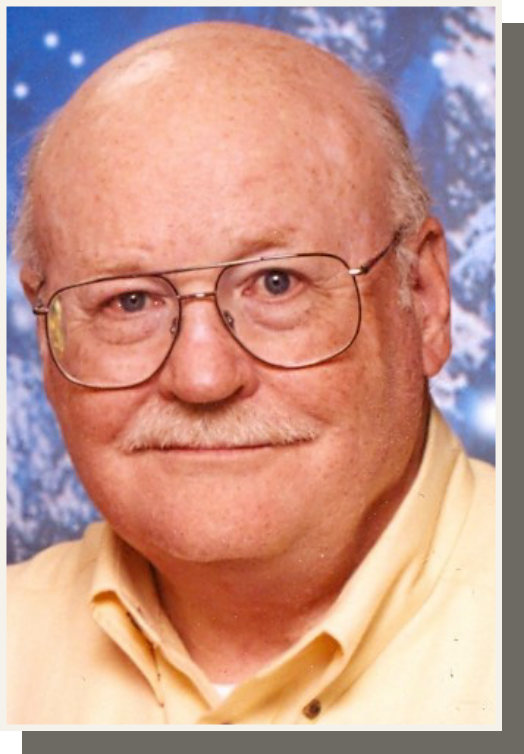
Edward Simmons
Edward G. Simmons is a historian, writer, and lifelong seeker of truth. His spiritual journey began in childhood as a devout fundamentalist Christian, evolving through decades of academic study, personal trials, and theological reflection. As a longtime Presbyterian Elder and adult Sunday School teacher, Simmons became known for his ability to translate complex biblical scholarship into thought-provoking conversations of faith.
His academic path and personal experiences—including the emotional impact of three divorces, two of which were painful, but all of which led to new insights—shaped a profound commitment to a faith that is lived, not just believed. Even during a season of spiritual crisis and intellectual doubt, Simmons chose to live “as if” God were real, embracing the teachings of Jesus as a model for compassionate, ethical living.
Today, Simmons writes for those who wrestle with doubt, pursue justice, and seek deeper understanding in a complex world. His works challenge conventional interpretations and invite readers to explore the Bible and spirituality through the lens of history, ethics, and integrity.
“To live by truth, integrity, and courage—while staying open, ethical, and grounded in my values.”
– E.G. Simmons
“Truth isn’t always convenient—but standing by it with integrity and courage defines who we are. I’ve learned this through experience, each time life tested my convictions.”
Edward G. Simmons:
A Journey of Faith, Doubt, and Devotion
Explore the pivotal moments that shaped the author’s beliefs, growth, and calling.
1. Early Conviction: A Rigid Righteousness (Age 9–Teen Years)
At just nine years old, I embraced a fundamentalist view of Christianity. My commitment ran deep—I was the kind of teenager who refused to take my girlfriend to the senior prom because I believed dancing was sinful. My faith was strict, absolute, and framed by a black-and-white moral code that shaped much of my early identity.
2. Transformation Through Education (College Years)
College was a turning point. Academic exposure and mentoring professors didn’t shake my faith—but they did expand it. They challenged my assumptions, encouraged critical thinking, and helped me realize that questioning wasn’t a sign of weakness—it was a step toward growth. I began to evolve, maintaining my belief in God but shedding rigid interpretations.
3. Devoted Service and Personal Trials (Adulthood)
For decades, I served as a Presbyterian Elder and adult Sunday School teacher, where I became known for presenting up-to-date biblical research. But faith isn’t built only on knowledge—it’s forged in life’s fires. Two painful divorces tested my convictions and my endurance. I tried hard to save both marriages, but through those struggles, I continued to evolve spiritually and emotionally.
4. Divine Encounters: Four Spiritual Guidances
Throughout my life, there were four specific times when I felt an overwhelming sense of God guiding me—leading me toward decisions that would shape my future. After each moment of divine prompting, I experienced six months of deep spiritual clarity. These were powerful, life-affirming experiences that reaffirmed my belief in a loving and personal God.
5. A Crisis of Faith: The Silence After Sixty
Then came the collapse. After turning 60, I entered a period of intense work stress that led to depression. One afternoon, without warning, I was gripped by a disturbing certainty: There can’t be a God. The vastness of the universe, once awe-inspiring, now seemed empty. It wasn’t a conscious decision—it was as though my belief had been forcefully erased. Even when medication eased the depression, the spiritual void remained.
6. Searching in the Dark: A Rational Mind Seeking Faith
In that silence, I searched. I read books on theology, explored atheist communities, and wrestled with my intellectual despair. What I came to realize was this: my earlier faith had not been rooted in logic, but in trust—in a trustworthy God. Rationality hadn’t created that belief, and it couldn’t restore it. Still, I felt that trustworthiness mattered more than certainty.
7. Choosing the Path of “As If”
So I made a decision: to live as if God exists. Not because I was sure—but because the God of Jesus, the one who calls us to love, serve, and forgive, represented the values I wanted to live by. Even if I were deceived, I reasoned, it would make no practical difference. The choice to follow the path of Christ—rooted in service and compassion—became my new foundation.
8. A Life of Integrity and Commitment
Today, my faith is no longer rigid. It’s grounded in action, not argument. I no longer feel the need to prove God’s existence or dissect theological doctrines. Instead, I strive to embody the teachings of Jesus through how I live, treat others, and confront truth with courage and integrity. It’s not about certainty—it’s about commitment.